How to Log In to Your Favorite Online Services

How to Log In to Your Favorite Online Services
Logging in to your favorite online services shouldn’t be a hassle. Whether it’s your email, social media, or an online casino like How to Log In to Britsino Casino Britsino Casino login, understanding the login process can enhance your online experience and security. In this article, we will guide you through the general steps involved in logging into different platforms and provide some tips to ensure your accounts remain secure.
Understanding the Login Process
The login process typically requires you to enter your username and password. This process is designed to verify your identity and give you access to your personal account. Here are the common elements of a login page:

- Username or Email: This is usually the identifier you chose when creating your account.
- Password: A secret word or phrase that only you should know.
- Login Button: A button that submits your credentials for verification.
- Forgot Password Link: A link allowing you to recover or reset your password if you have forgotten it.
Steps to Log In
Step 1: Navigate to the Login Page
The first step is to navigate to the specific website you want to log into. Most websites have a clearly visible login button or link on their homepage. You can often find this in the top right corner of the page. Click on this link to be taken to the login form.
Step 2: Enter Your Credentials
Once you are on the login page, you will see the fields for your username and password. Fill in your information accurate
ly. Remember that usernames and passwords are often case-sensitive, so ensure you enter them exactly as you registered. If you experience trouble logging in, double-check for any typing errors.
Step 3: Two-Factor Authentication
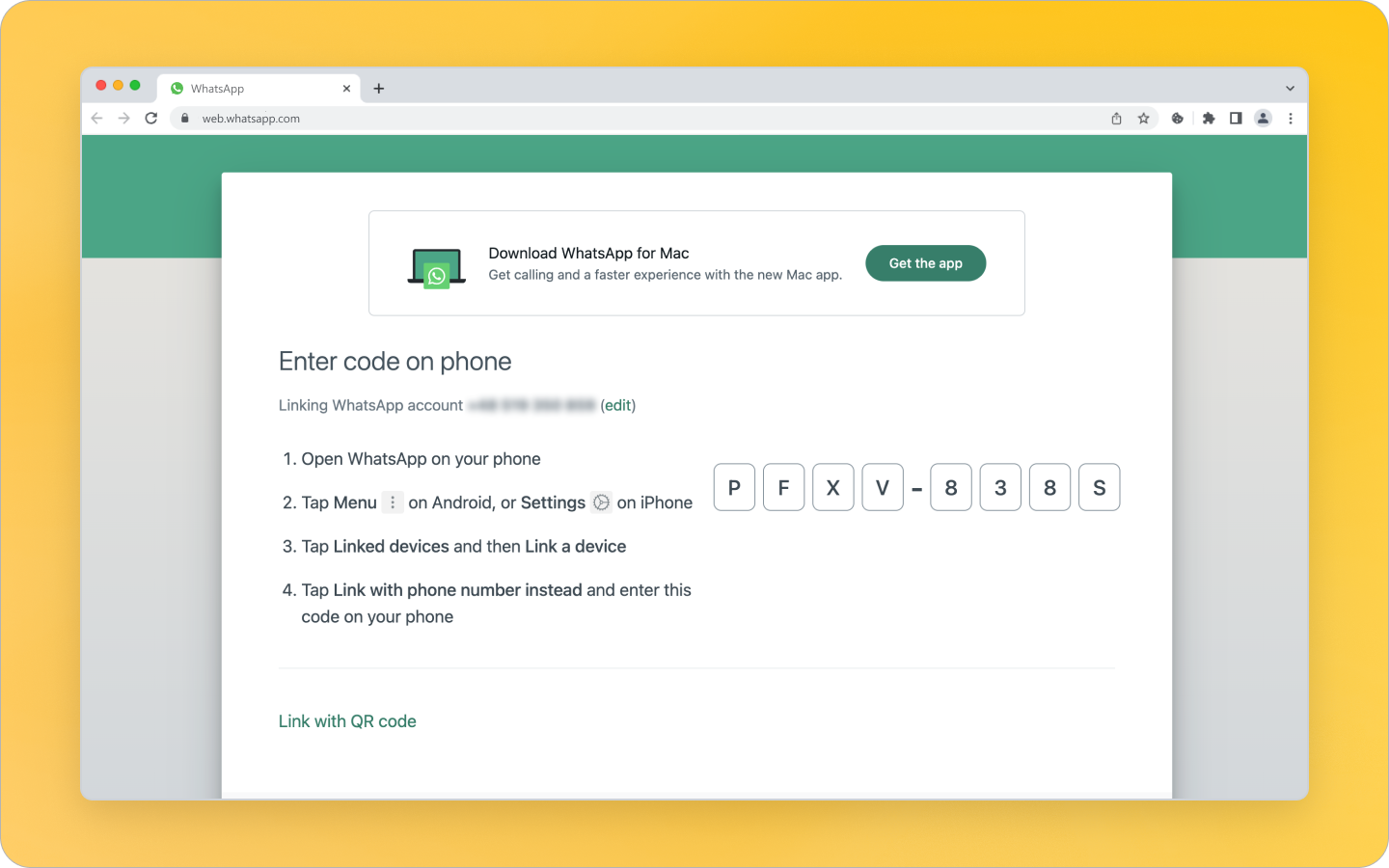
Many services now implement two-factor authentication (2FA) for added security. If you have 2FA enabled, after entering your username and password, you may be required to enter a code sent to your mobile device or email. This step adds an additional layer of protection to your account.
Step 4: Click the Login Button
Once you have entered your credentials and any required authentication codes, click the login button to submit your information. If your details are correct, you will be redirected to your account dashboard or homepage.
Step 5: Troubleshooting Login Issues
If you encounter problems logging in, here are some common troubleshooting steps:
- Check Your Internet Connection: Ensure that you have a stable internet connection.
- Reset Your Password: If you cannot remember your password, use the ‘Forgot Password’ option to reset it.
- Clear Browser Cache: Sometimes clearing your browser’s cache and cookies can resolve login issues.
- Update Your Browser: An outdated browser may cause issues with loading websites correctly.
Importance of Account Security
When logging into your online accounts, it’s crucial to prioritize security to protect your personal information. Here are some best practices for maintaining account security:
- Use Strong Passwords: Opt for complex passwords that combine letters, numbers, and special characters. Avoid using easily guessable information like birthdays or pet names.
- Regularly Change Passwords: Change your passwords periodically to enhance security and mitigate the risk of unauthorized access.
- Enable Two-Factor Authentication: Whenever possible, enable two-factor authentication for extra security.
- Beware of Phishing Attempts: Be cautious of emails or messages that prompt you to enter sensitive information. Always log in through the official website.
Conclusion
Logging in to your online accounts should be a straightforward process if you follow the right steps. By knowing how to navigate login pages and protect your credentials, you can enjoy your online experiences without unnecessary stress. Adopting good security practices will keep your accounts safe, whether you are accessing your favorite social media platform, an online banking service, or a casino. Take the time to familiarize yourself with the login processes of the services you use, and remember to safeguard your information diligently.