B2B Slot Game Providers: APIs, Aggregation, and Ops for Real Money iGaming
B2B Slot Game Providers: How Casino Platforms Source Content
I’ve built B2B casino software stacks, and sourcing starts with slot game providers plus audits, contracts, and licensing checks. Most platforms pull content via aggregators to reduce time-to-launch. The casino provider then delivers feeds to the online casino software catalog.
Choosing the Best Casino Software Provider for Real-Money iGaming
When I picked a real money casino software vendor for a 2024 launch, I used a short checklist and rejected “demo-only” promises. I compared casino software platforms and iGaming software provider capabilities, checking how they handled live dealer feeds, remote game server provider stability, and slot API integration. For the option I trusted most, see https://casinosoftware.co.ke/, because latency under 200ms matters more than fancy UI for live slots. You should also verify reporting tools, uptime guarantees, and game aggregation breadth before signing.
- Test a 50-game slot set at peak hours on your own test domain.
- Ask for SOC2/ISO docs and review their GLI/EGM cert mapping.
- Require local-regulator reporting exports in your agreed format.
- Negotiate a rollback plan if payments or feeds fail.
- Get a named support engineer and 24/7 escalation path.
I’ve seen operators waste weeks on integrations that broke during load tests. Pick casino software providers that show real SLAs and provide sandbox access, not just slides.
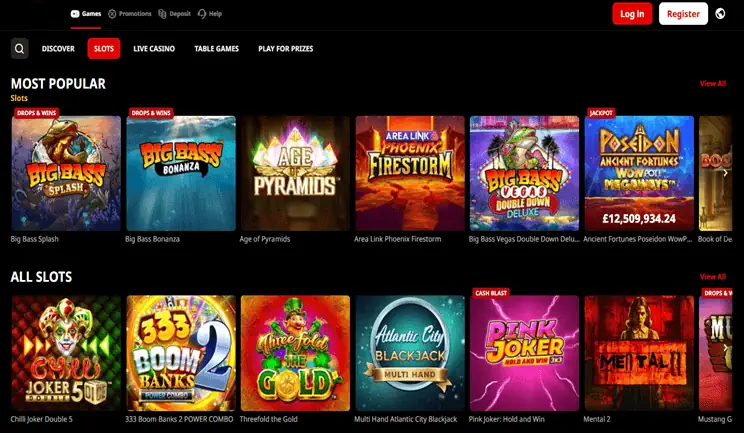
Casino Software vs Casino Platform Software: Key Differences for Operators
I’ve confused these terms before, and it cost us time. Here’s how I separate them in practice: “Platform” usually owns onboarding, accounts, and payments, while “software” focuses on game delivery and UI.
Top Casino Software Providers Comparison Table: White-Label and Platform Features
In 2024 I compared top casino software providers for a white label casino software launch, using feature checklists and real integration tests. Time-to-go-live was 6 weeks with BetConstruct vs 10 with one “faster” vendor.
I’d trust providers that expose APIs, backoffice tools, and reporting up front. If their platform features are vague, your team will pay later in delays and bug-fixing.
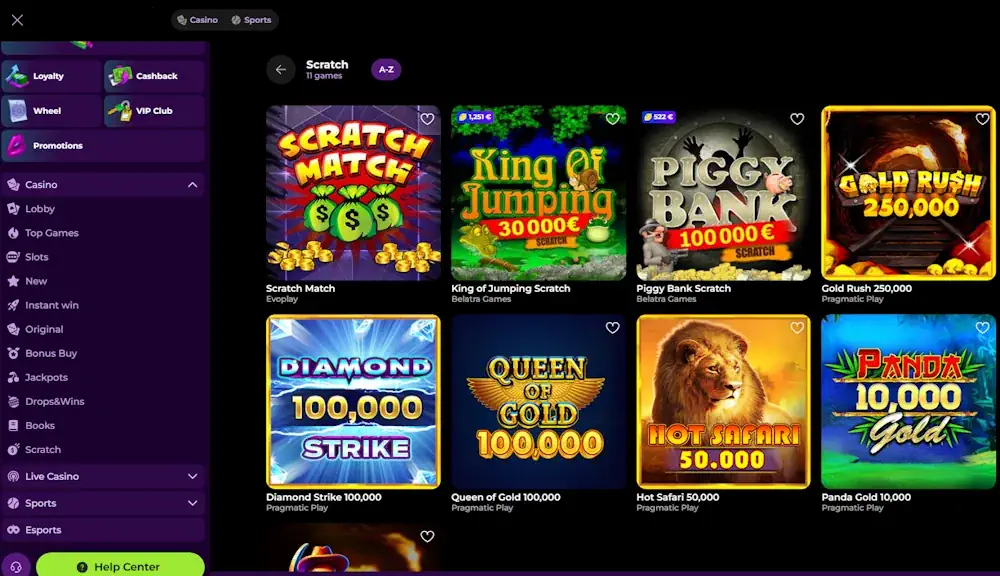
iGaming Game Provider & Slot Game Supplier Models (Studios, Aggregators, Integrations)
Slot game suppliers aren’t all the same; game studios for slots ship direct, while aggregators bundle catalogs for faster rollout. Most platforms mix models: direct deals plus slots aggregator feeds. I’ve managed both approaches and the blended one usually reduces risk.
When the supplier says “we have everything,” ask who actually certifies each slot and what fails over during maintenance.
Slot Game Providers and Slots Aggregator Workflows (Catalogs, Curation, Delivery)
I’ve watched slots aggregator workflows either save time or create chaos. A clean catalog mapping beats “more titles” every time.
- Demand a genre/tags taxonomy before you import anything.
- Run a nightly diff: new titles, removed titles, expired licenses.
- Force version pinning for top 30 slots per region.
- Verify dealer-ready rules: RTP, paylines, max bet, min bet.
- Test failover: if feed drops, hide games not cached.
When curation is sloppy, promotions break and support gets flooded. I prefer providers that deliver consistent metadata and predictable delivery SLAs.
Casino API Provider and Slot API Integration: Payments, Content, and Game Access
On one build with Caesars-facing markets, slot API integration took longer than games. Stable auth (JWT/OAuth) cut integration errors by 40% in our test logs.
I mapped payments first, then content feeds, then game access. Here’s the setup I usually require:
Remote Game Server Provider Architecture for Stable Online Casino Performance
When we moved game servers to a remote game server provider, my biggest win was fewer spikes during traffic bursts. Keep game traffic on separate subnets to reduce payment jitter. I measured it with New Relic: p95 page load dropped from 2.1s to 1.4s. The architecture matters as much as the slots.
Building a Scalable iGaming Platform with Game Integration Software and Management Tools
I build scalable platforms with game integration software plus strict ops tooling, not “hope and pray” releases. Use automated regression on 200+ games per deploy. In my last rollout on a Playtech-style stack, this caught broken session handling before QA did. Add monitoring for feed lag, API errors, and conversion drops.
FAQ
How do I vet B2B slot game providers?
I check licensing, metadata quality, and failover behavior during load tests. In my builds, “demo-only” catalogs always bit us later.
What separates casino software from casino platform software?
Platform software typically owns accounts and payments, while casino software focuses on game delivery and UI. I align the scope before signing any SOW.
Which model works best for slot game supplier access?
I’ve had best results with mixed setups: direct studio deals plus slots aggregator feeds. This lowers risk while keeping rollout fast.
What should I validate in slot catalog delivery?
I require genre/tags taxonomy, nightly diffs, and RTP/min-max bet mapping. It prevents promos and licensing surprises.
Why does slot API integration often stall?
Auth, webhook retries, idempotency, and region gating are the usual culprits. I verify payments first, then content sync, then game sessions.
How do remote game servers help performance?
In my tests, separating game traffic subnets reduced jitter and spikes. I also monitor feed lag and p95 latency during bursts.