The historical evolution of gambling From ancient rituals to modern casinos
The historical evolution of gambling From ancient rituals to modern casinos
The Origins of Gambling
The roots of gambling trace back to ancient civilizations where it was intertwined with rituals and cultural practices. Archaeological evidence suggests that the earliest forms of gambling emerged in China and Mesopotamia, with games involving dice and betting on outcomes. These activities served not just as entertainment but also as methods for divination, where ancient people sought to predict future events through chance. Today, while exploring various topics like the impact of gambling, one may even find resources that delve into unusual bets, including casinos not on gamstop.

In ancient Rome, gambling became a popular pastime among citizens, with public games and betting on gladiatorial contests. The Romans legalized and regulated gambling activities, marking a significant shift from informal betting to organized practices. This evolution laid the groundwork for modern gambling structures, showcasing how deeply ingrained the concept of chance and risk has been in human culture.
The Development of Games and Strategies
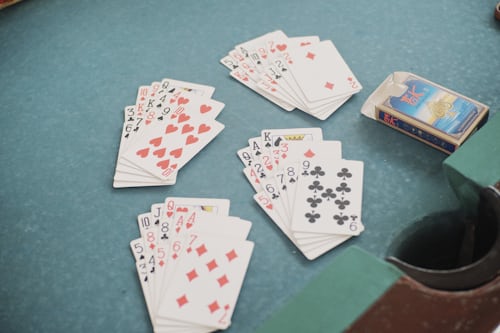
As societies evolved, so too did the games associated with gambling. The Middle Ages introduced various card games, which became a staple in European gambling culture. The transition from dice games to card games marked a significant evolution in strategy and skill, prompting the development of various betting techniques and the social etiquette surrounding gambling.
By the Renaissance, gambling had expanded significantly across Europe, leading to the establishment of gaming houses. These venues catered to the rising middle class and became centers for social interaction. The introduction of games like poker and baccarat during this period highlighted the ongoing transformation of gambling into a more strategic and competitive activity.
The Rise of Casinos
The 17th and 18th centuries saw the birth of the modern casino, with the first official casino, the Ridotto, opening its doors in Venice in 1638. This establishment marked a pivotal moment in gambling history, as it introduced a controlled environment where patrons could indulge in various games. This innovation attracted the elite and marked gambling as a respectable leisure activity.
As the casino concept spread, particularly in France and later in the United States, the architecture and ambiance of these establishments evolved. Lavish interiors and entertainment offerings transformed casinos into luxurious destinations, further embedding gambling into mainstream culture. The emergence of Las Vegas in the 20th century epitomized this trend, turning the city into a global hub for gambling and entertainment.
Legal and Economic Perspectives on Gambling
The legal landscape surrounding gambling has changed dramatically over the centuries, from outright bans to regulated industries. Various countries have imposed restrictions or have embraced gambling as a source of revenue. The legalization of online gambling in the 21st century has also reshaped the industry, making gambling more accessible to a broader audience.
Economically, gambling has become a significant sector in many countries, contributing billions to economies through taxation and job creation. This evolution reflects changing societal attitudes towards gambling, viewing it not just as a vice but also as an entertainment option that can foster economic growth.
Engaging with Gambling’s Legacy
Understanding the historical evolution of gambling offers valuable insights into its complex role in society. From ancient rituals to modern casinos, gambling has shaped and reflected cultural norms and economic trends throughout history. Today, it continues to evolve with advancements in technology and shifts in public perception.
Our website aims to shed light on these historical contexts while also discussing contemporary issues surrounding gambling. By engaging with our content, readers can explore the multifaceted aspects of gambling and its impact on society, paving the way for informed discussions and awareness of this enduring phenomenon.