Horizontal Analysis Formula + Calculator
These critical insights into constant velocity solidify our understanding of the horizontal velocity formula. A common misunderstanding is that all horizontal analysis formula velocity components are affected by time and Acceleration due to Gravity. However, gravity acts strictly downward, influencing only the vertical velocity ($v_y$). Use horizontal analysis in conjunction with other tools, such as vertical analysis or qualitative assessments, to get a comprehensive financial snapshot. Understanding potential biases like the halo effect can help maintain objectivity when interpreting results. Another advantage is that horizontal analysis emphasises outliers and unusual fluctuations.
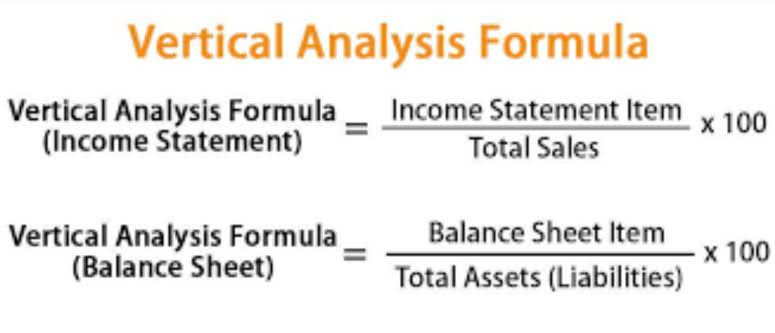
Vertical analysis formula explained

By calculating the percentage or dollar changes year over year, it reveals trends that can guide smarter investing decisions. Fundamental analysis examines a company’s financial statements and health to determine its financial strengths and weaknesses. Combining horizontal analysis with fundamental analysis provides a more comprehensive understanding of performance trends over time. A company’s financial statements – such as the balance sheet, cash flow statement, and income statement – can reveal operational results and give a clear picture of business performance. In the same vein, a company’s emerging problems and strengths can be detected by looking at critical business performance, such as return on equity, inventory turnover, or profit margin.
Increase in customer sales

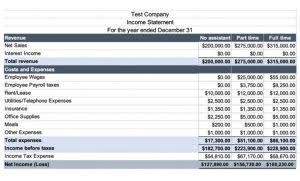
It’s also useful in industries with https://www.dpceramic.com/t-accounts-101-meaning-examples-and-how-to-record-2/ seasonal patterns (consumer goods, hospitality, etc). Now we can assume a sales growth percentage based on the historical trends and project the revenues under each segment. Therefore, total net sales are in the Oral, Personal & Home Care, and Pet Nutrition Segments. Let us assume that we are provided with the income statement data of ABC Co. We need to perform a horizontal analysis of the income statement of this company.
- This calculation helps identify trends and fluctuations in financial performance, which is useful in making informed business decisions.
- This method expresses each line item on a financial statement as a percentage of a key benchmark, typically total revenue (in the case of the income statement) or total assets (for the balance sheet).
- For example, the hotel can include remote-control TV, fresh, flower room service and prompt check-in and checkout.
- If they were only expecting a 20% increase, they may need to explore this line item further to determine what caused this difference and how to correct it going forward.
- Combining horizontal analysis with fundamental analysis provides a more comprehensive understanding of performance trends over time.
- Armed with these insights, management can target specific areas for operational improvements, cost reductions, or process optimizations.
- In contrast, horizontal analysis compares data over multiple periods, revealing trends and changes over time.
The Financial Model Best Practices I Teach All My Analysts
Based on historical data, a horizontal analysis interprets the change in financial statements over two or more accounting periods. It denotes the percentage change in the same line item of the next accounting period compared to the value of the baseline accounting period. Diving deeper, horizontal analysis on the balance sheet can uncover more than just basic Retained Earnings on Balance Sheet trends. For instance, significant growth in current assets compared to fixed assets might indicate a shift towards more liquid investments.
- Explore our marketplace and find the perfect tool to streamline your processes today.
- The analysis of the different items in income statement is also done following the similar procedure.
- It should be the starting point for a deeper conversation about the business decisions that are driving those financial results.
- Next, divide the dollar amount of the change by the previous year’s amount to find the percentage change.
Consider a scenario where revenue has grown at a steady pace of 3% per year over the past decade. Historical trends derived from horizontal analysis not only help in projecting future performance but also in setting realistic goals and expectations. Unlike the unadjusted income statement and balance sheet, the common size variations can be used for peer-to-peer comparisons between different companies. Performing vertical analysis creates the so-called “common size” income statement and the “common size” balance sheet.